
Bastien Chesnoy
Project Administrator
UNIDO
Governments across the Arab region recognize the key role that food small and medium-sized enterprises (SMEs) can play in delivering higher and more inclusive growth, ensuring food security, generating jobs and spurring innovation. Many have rightly placed food SME development at the center of their strategies to meet the needs of local populations, and initiated several interventions and schemes in that area.
Fostering vibrant and competitive food SMEs that contribute to high value-added and export-ready outputs is at the heart of a comprehensive capacity building initiative known as TRAQ (TRAde and Quality) that started in late 2022 and aims to enhance SMEs’ competitiveness in the fields of quality and export in six countries: Algeria, Egypt, Jordan, Lebanon, Morocco and Tunisia.
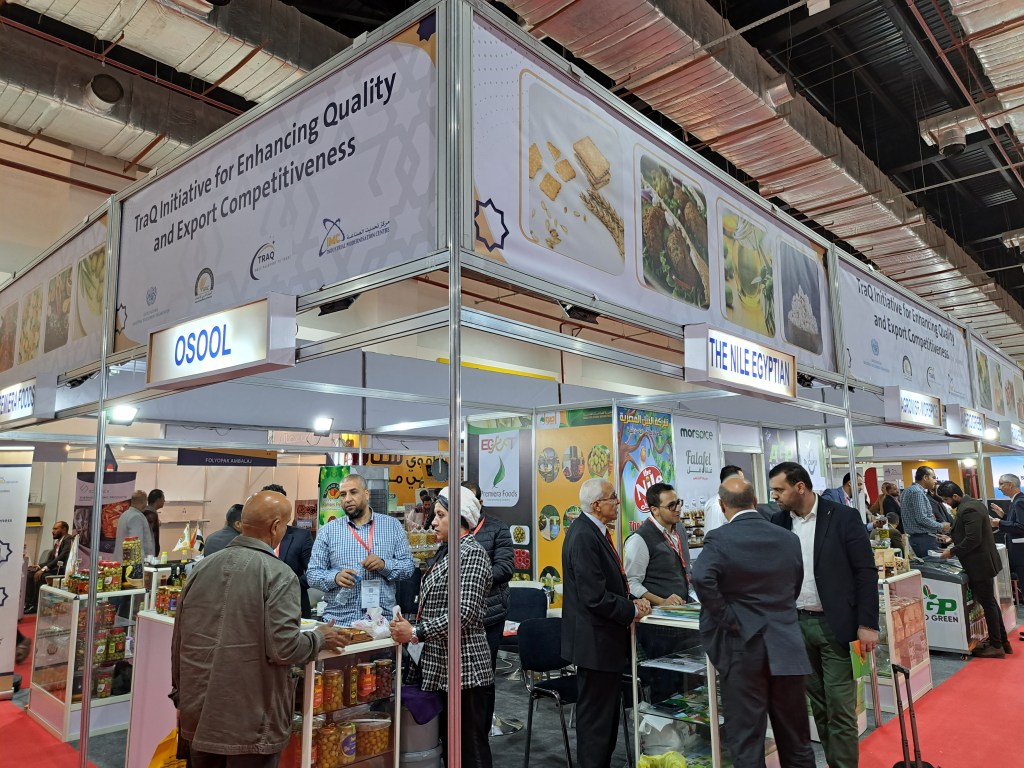
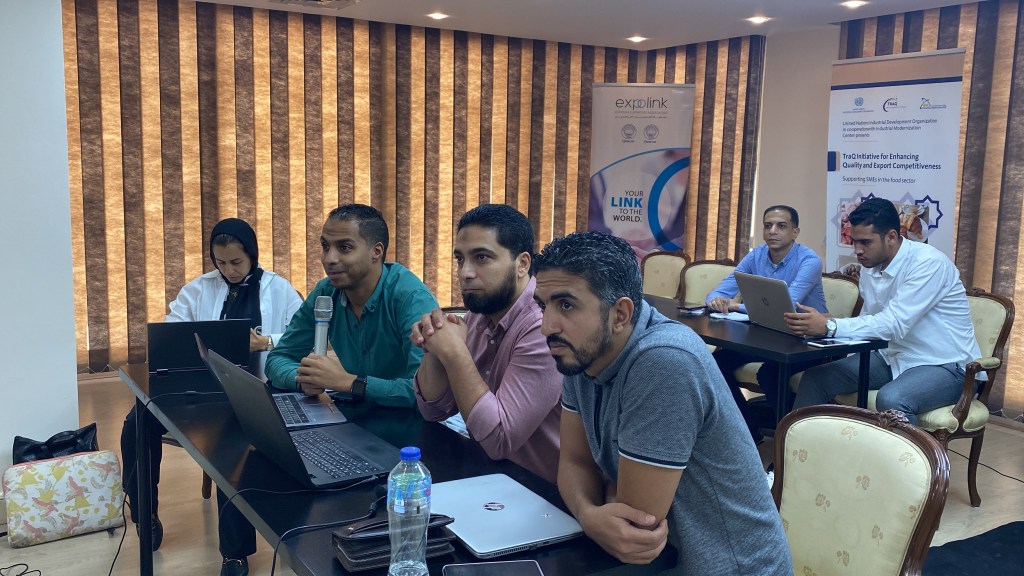
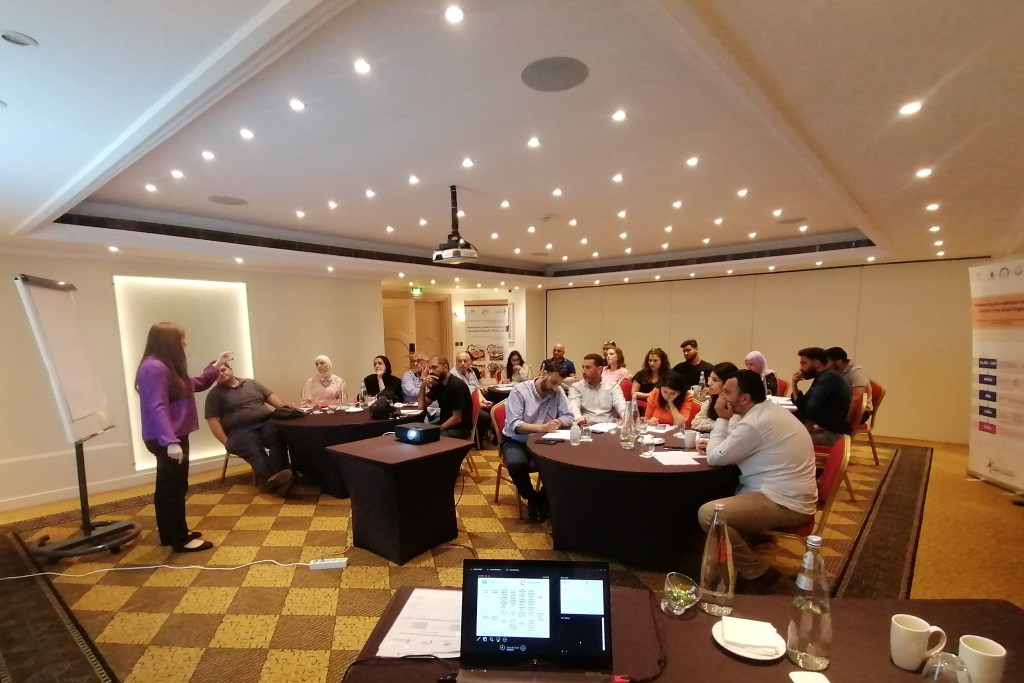
TRAQ is a comprehensive capacity-building program that provides technical support to more than 150 carefully selected food SMEs through tailored interactive workshops, coaching and participation in business-to-business matchmaking events. It is expected that such activities will improve SMEs’ compliance to regulatory and market requirements as well as enhance their export readiness, competitiveness and capacity to enter new markets. Meeting food safety export requirements is also a special focus.
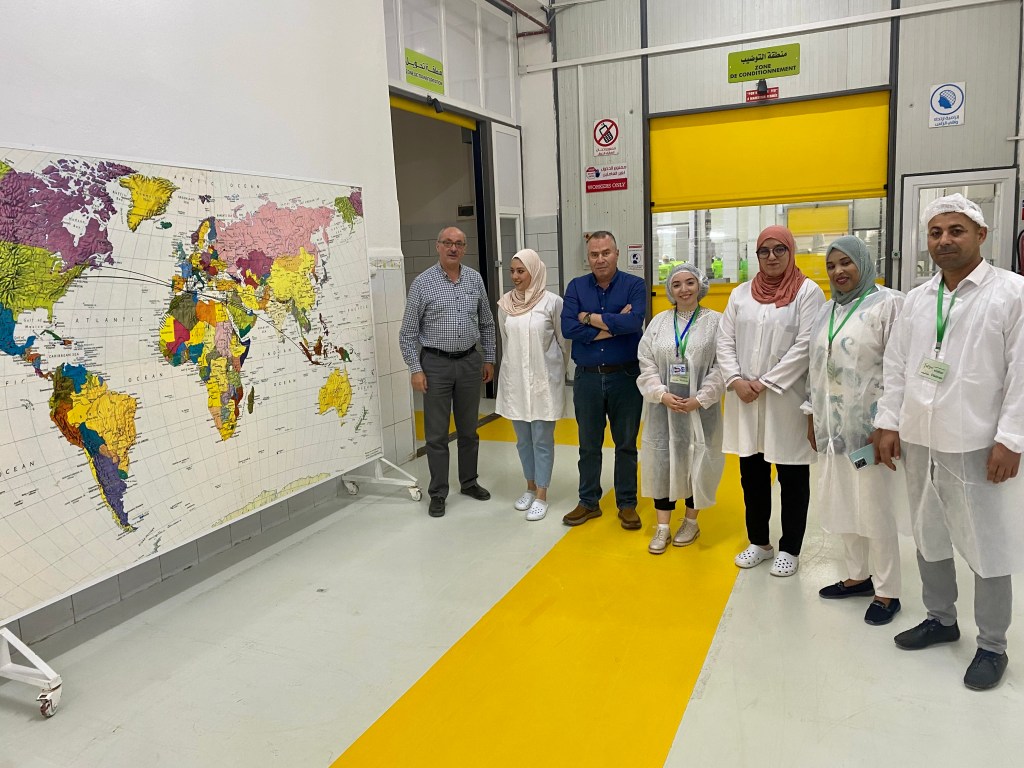

In addition, SMEs are supported to raise their capacities to better use accreditation services in the region, in close collaboration with the Arab Accreditation Cooperation (ARAC) as well as national accreditation bodies and conformity assessment bodies (CABs). Similarly, CABs’ capacities are currently being built to address the needs of food SMEs willing to export, by providing them with the tools and best practices for performing their operations, as well as expanding their scope of services.
So far, great interest has been expressed by the different parties involved in the process, and following an extensive diagnosis phase conducted in each beneficiary country, promising results have been achieved with the active participation and involvement of SMEs, national authorities and various national stakeholders. Many more positive achievements are expected in the coming months.
The success story of Lebanon
In Lebanon, the TRAQ initiative is implemented in cooperation with the Ministry of Industry, and targets SMEs operating in the olives/olive oils, bakeries/confectioneries, and juices, jams and canned items sub-sectors. As the first country to roll out the TRAQ initiative, Lebanon has produced impressive results. 20 SMEs already graduated from the food safety capacity building program. In addition, the program facilitated 66 meetings with potential international buyers that focused on fostering connections and exploring export opportunities during the Agrifood Innovation Days (AFID) 2023 in Beirut. Meanwhile, individual coaching sessions are also being delivered based on each SME’s specific needs, bridging the gap between current export readiness status and desired outcomes, thus fostering a culture of excellence and continuous improvement.
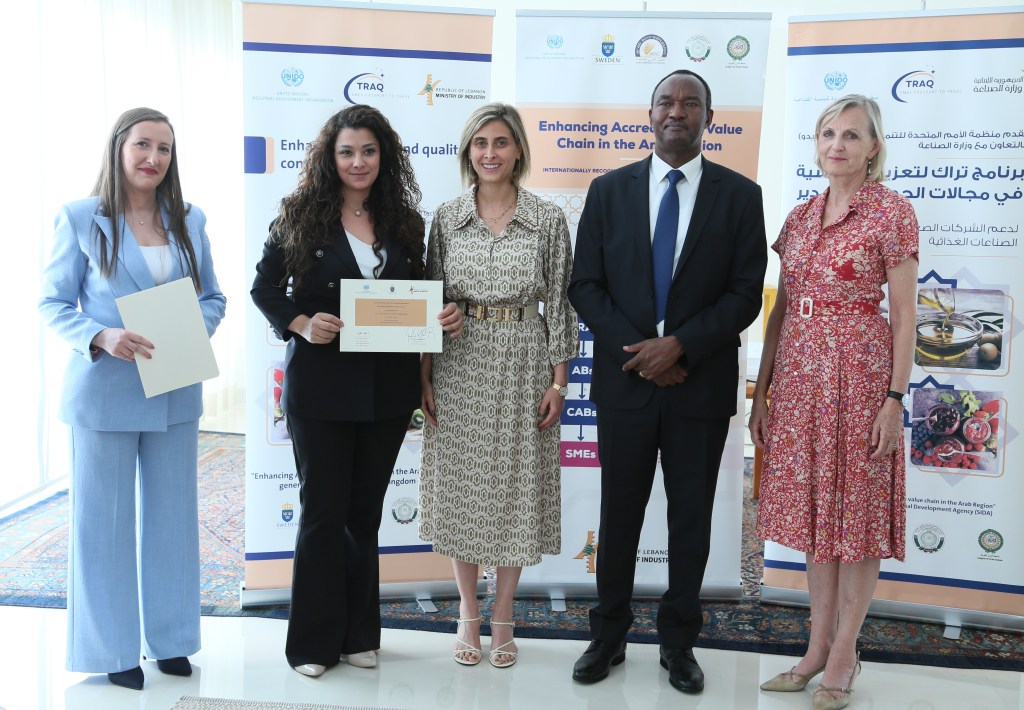
The TRAQ initiative is implemented with the technical assistance of the United Nations Industrial Development Organization (UNIDO) in the context of a broader project titled “Enhancing Accreditation Value Chain in the Arab Region” supported by the Kingdom of Sweden through the Swedish International Development Cooperation (SIDA). This project aims to strengthen the regional accreditation infrastructure through ARAC and promote international recognition for national accreditation bodies, ultimately benefiting SMEs by upgrading the quality infrastructure and accreditation system.
Categories: Stakeholder News
 IAF Outlook