

Varsha Misra
Deputy Director
NABCB
Quality Council of India
India boasts the world’s second-largest road network, spanning approximately 62.1 lakh (621,000) kilometers. This extensive network serves as the lifeblood of the nation, facilitating the transportation of over 64.5% of domestic goods and serving as the preferred choice for more than 90% of passenger traffic. The landscape of India’s road traffic has undergone significant transformations, marked by a continuous increase in vehicles and the expansion of the road network. As the nation pursues economic growth, exemplified by landmark initiatives such as Bharatmala and Parvatmala aimed at enhancing connectivity across every corner of the country, the critical importance of robust road traffic safety management systems cannot be emphasized enough.
Contemporary Scenario
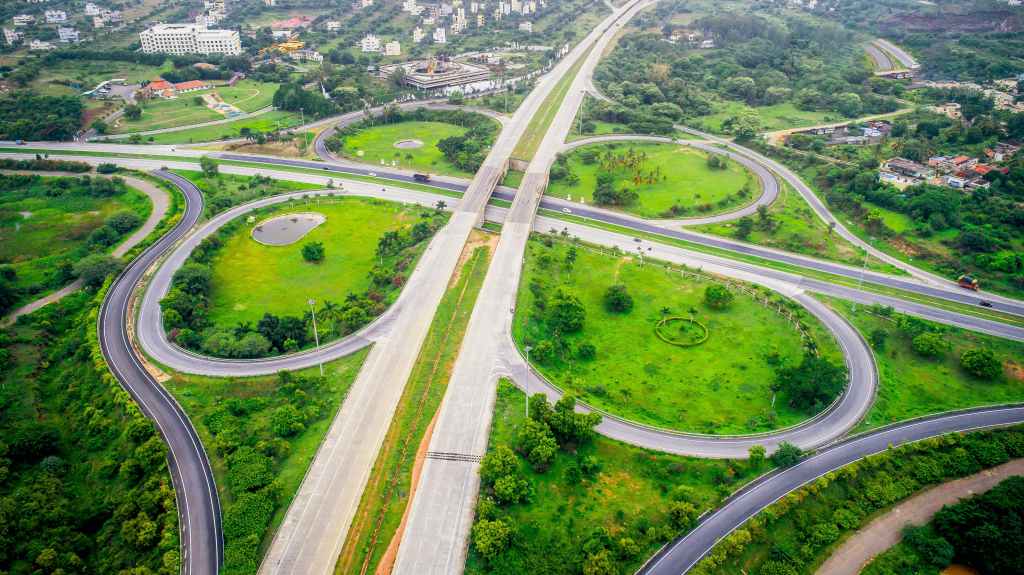
The present transportation system has minimized the distances, but also increased the life risk. According to a recent report by the Government of India, every year approximately 1.5 lakh (150,000) people die in road related accidents. In addition, crores (tens of millions) of individuals are seriously injured. In the relentless pursuit of safer roads and reduced traffic-related incidents, India has embraced international standards to bolster its road traffic safety management systems. One such significant stride is the implementation of ISO 39001 Road traffic safety (RTS) management systems – Requirements with guidance for use, a dedicated framework for road traffic safety management. This standard, developed by the International Organization for Standardization (ISO), outlines the requirements for an effective and comprehensive road traffic safety management system, providing a structured approach to mitigate risks and enhance overall safety on Indian roads.
Scope and Key Components of ISO 39001
This International Standard specifies requirements for a road traffic safety management system (ISO 39001) to enable an organization that interacts with the road traffic system to reduce death and serious injuries related to road traffic crashes which it can influence. ISO 39001 outlines key components that contribute to the effectiveness of road traffic safety management systems. These include:
- Leadership and Commitment: The standard emphasizes the importance of leadership commitment at all levels to instill a safety culture and drive continuous improvement.
- Identification of Risks: A thorough risk assessment helps in identifying potential hazards and allows for the implementation of preventive measures to reduce the likelihood of accidents.
- Legal Compliance: Ensuring compliance with relevant traffic safety laws and regulations is integral to the standard, fostering a harmonized approach to road safety.
- Emergency Preparedness: The standard encourages organizations to be prepared for emergencies, facilitating a swift and effective response to unforeseen events.
- Monitoring and Measurement: Continuous monitoring and measurement of key performance indicators enables organizations to track their road safety performance and make informed decisions for improvement.

Indian Scenario
The adoption of ISO 39001 in India reflects a proactive approach to address the complex challenges associated with the country’s diverse and often congested road network. At the national level, the National Accreditation Board for Certification Bodies (NABCB) started granting accreditation as per ISO 39001 in March 2015 to third-party certification bodies. The adoption of this standard stood as a testament to the nation’s commitment to create safer roads and reduce the toll of traffic-related incidents.
As India continues to evolve and adapt to changing needs, ISO 39001 provides a comprehensive roadmap for sustainable improvements in road traffic safety, ultimately fostering a safer and more secure environment for all road users. Through advancements in infrastructure, technology integration, regulatory measures, public awareness, and collaborative initiatives, India is making commendable progress in mitigating road safety challenges. As the country continues to grow economically, the ongoing enhancement of these systems will be crucial in ensuring a secure and efficient road network for all.
Categories: IAF Members' news
 IAF Outlook