
The agricultural sector plays a key role in the economies of the West African Economic and Monetary Union (UEMOA)[1]. Agriculture represents 21% of the gross domestic product and 53% of jobs in the Union (FAO Annual Report, 2023).
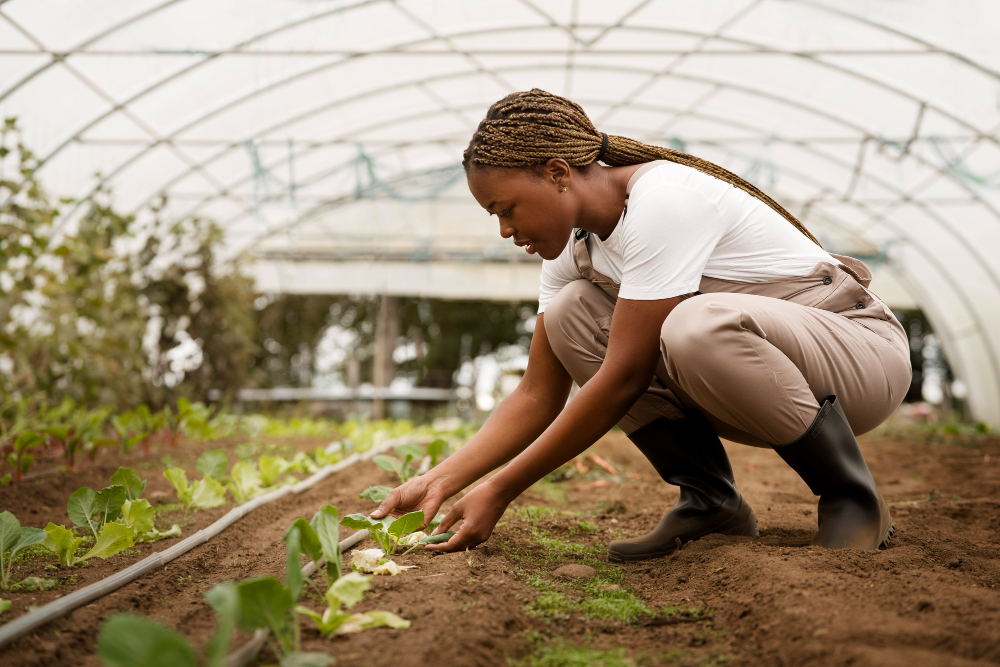
In terms of trade, the European Union (EU) remains West Africa’s largest customer overall. Indeed, agricultural exports represent 31% of total exports to the EU. The main agricultural exports are cocoa and cocoa products (63% of the total), fish and processed products (19%), and fruit (9.4%). In value, agri-food exports from UEMOA reached approximately €11 million in 2023. These figures demonstrate the importance of the agri-food sector in the export strategies of West African countries. However, West African agri-food products must meet several requirements to enter the EU.
EU food safety policy and action cover four main areas of protection[2], including:
- Food hygiene: Food businesses, from farms to restaurants, must comply with EU food law. This obligation also applies to food importers into the EU.
- Contaminants and residues: Monitoring helps prevent contamination of food and feed. Maximum acceptable limits apply to food and feed imported and produced in the EU.
The West African Accreditation System (SOAC WAAS) is the accreditation body for UEMOA’s eight member states. As part of its policy to support the development policies at the national level, SOAC WAAS has developed specific accreditation schemes for the agri-food sector. With a rate of 28%, up to date, this sector has the largest number of conformity assessment bodies (CABs) accredited by SOAC WAAS. Among the agri-food accredited CABs, laboratories are the predominant group (84%). To meet the demand from economic operators, the “product certification (ISO/IEC 17065)” and “management systems certification (ISO/IEC 17021-1)” schemes were opened by SOAC WAAS. SOAC WAAS has been an IAF Multilateral Recognition Arrangement (MLA) signatory for the scopes of ISO/IEC 17065 and ISO/IEC 17021-1 since 2023. Certification bodies (16%) represent a growing sector. SOAC WAAS is strengthening its scope of expertise so that it is possible for economic operators to be certified, at the national level and at a lower cost, for the most in-demand market standards in the agri-food sector in the EU. Thus, since SOAC WAAS’s recognition by IAF for the scopes of ISO IEC 17021-1 and ISO IEC 17065, internationally recognized certification according to the ISO 9001 standard on IAF codes relating to the agri-food sector (IAF code 3), and ISO 22000 certification, have been available locally.
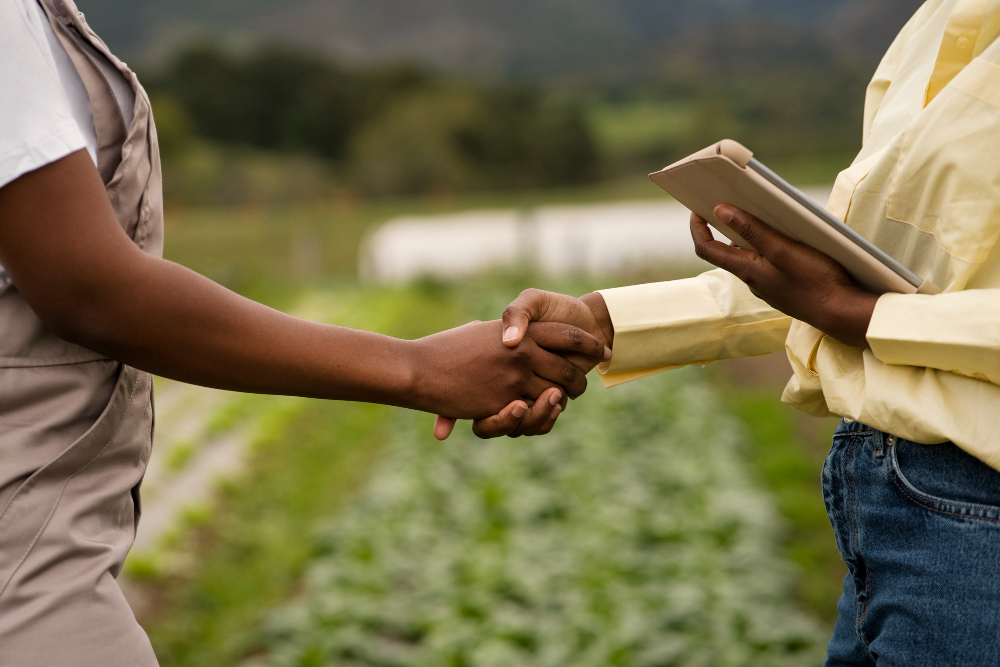
Since March 2024, SOAC WAAS has been accrediting certifiers involved in the GLOBALG.A.P. (Global Good Agricultural Practices) standard. This worldwide standard (approximately 130 countries concerned) recognizes only five accreditation bodies in Africa, including SOAC WAAS.
Similarly, European Regulation EU 2018/848 on organic farming recognizes organic certifications issued by certifiers based outside the European Union if they are accredited by “an accreditation body located outside the Union which is a signatory to a multilateral recognition scheme set up under the auspices of the International Accreditation Forum.”
The results presented above demonstrate that the accreditation system for UEMOA countries supported by SOAC WAAS is being implemented in perfect harmony with the expectations of member states, particularly exporters in the agri-food sector.
[1]UEMOA comprises 8 member states: Benin, Burkina Faso, Ivory Coast, Guinea Bissau, Mali, Niger, Senegal and Togo.
[2]https://european-union.europa.eu/priorities-and-actions/actions-topic/food-safety_fr.
Categories: IAF Members' news
 IAF Outlook