
Mutetei Mutisya
Principal Marketing Communication Officer
KENAS
Beryl Mukhwana
Accreditation Officer, Inspection and Verification
KENAS
Behind every efficient weighbridge, every smooth transport corridor, and every protected road surface lies an unseen enabler: accreditation.
In Kenya, the Kenya Accreditation Service (KENAS) ensures that inspection services meet international standards, giving regulators and industry confidence in the data that underpins road safety and trade.
From Inspections to Trusted Evidence
Axle load enforcement has long been a challenge worldwide. Overloaded vehicles damage roads, increase maintenance costs, and slow trade. In 2022, Danka Africa, a Kenyan inspection body, achieved accreditation to ISO/IEC 17020:2012 for axle load and dimensional inspections. Operating across more than a dozen weighbridge sites, it now provides regulators with impartial, consistent data to enforce both national laws and East African Community regulations.

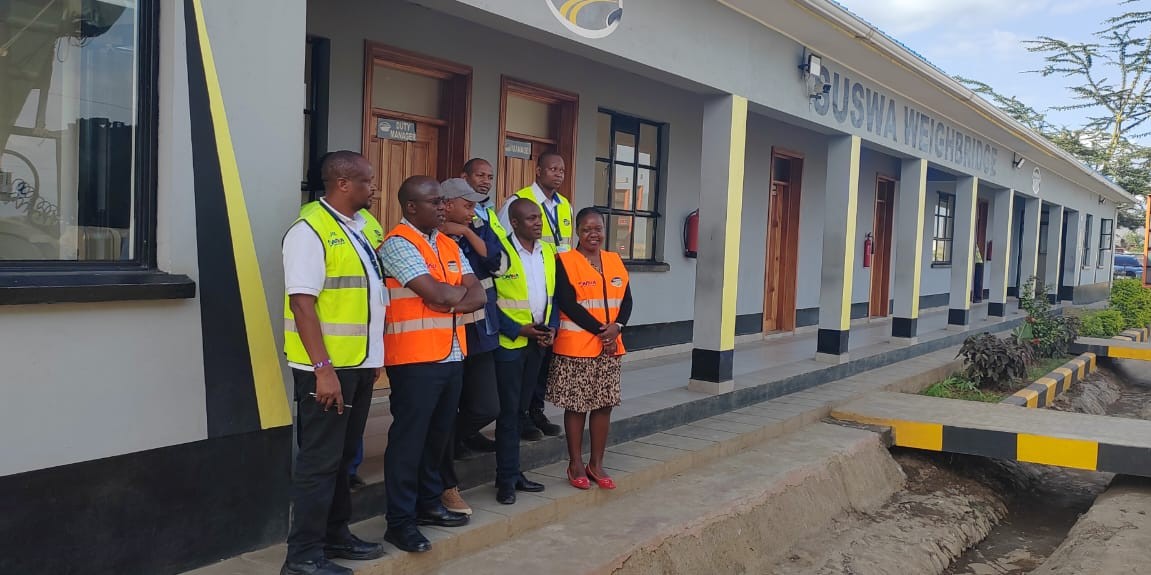
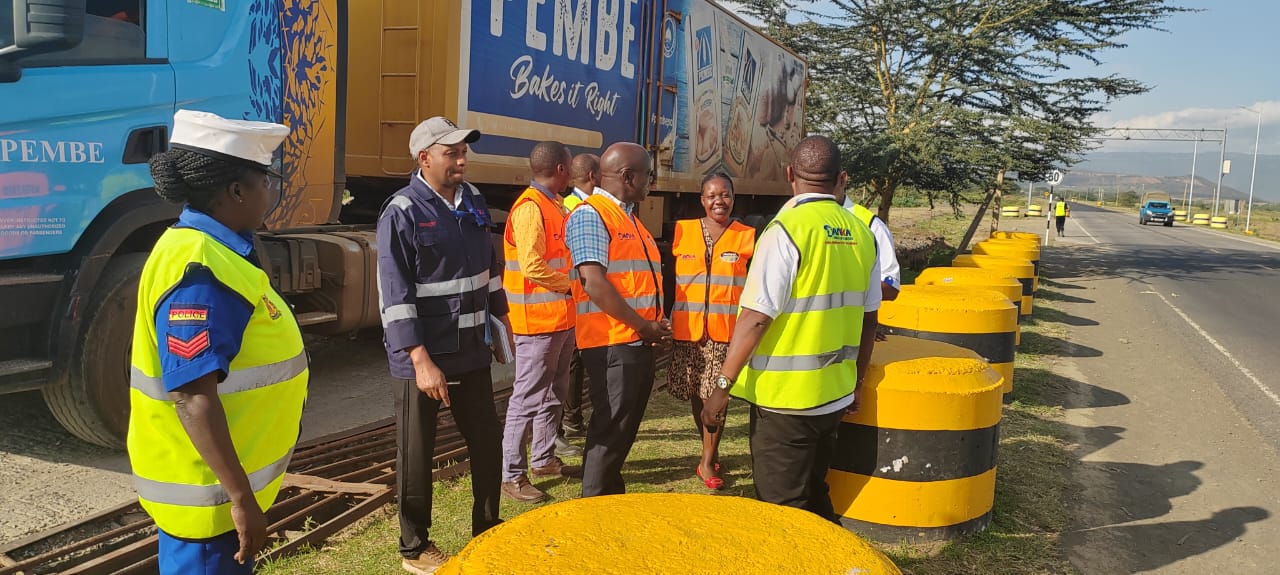
Accreditation is helping shift perception. Inspections are increasingly seen as impartial and globally benchmarked, reducing disputes and malpractice while strengthening compliance.
A Strategic Requirement
The Kenya National Highways Authority (KENHA), which manages the country’s main roads, requires all axle load inspection providers to be accredited. This ensures that weighbridge results are accurate, defensible and trusted. On the Northern Corridor, the region’s key trade route, accredited inspections safeguard infrastructure and ensure penalties for overloading are based on reliable measurements.
National Impact
The benefits extend beyond compliance. Accredited inspections lengthen road lifespan, cut maintenance costs, and reduce traffic disruptions. For transporters and traders, smoother processes mean fewer delays and disputes. For citizens, enforcement becomes more transparent, reducing opportunities for corruption and strengthening public trust.
Accredited inspection bodies also contribute to skills and employment. With a large technical workforce, Danka Africa reflects how accreditation fosters capacity building and embeds a culture of quality in everyday work.
A Global Lesson
Kenya’s experience shows that accreditation is more than technical oversight – it is a tool for policy delivery and economic competitiveness. By ensuring inspections are accurate and impartial, accreditation safeguards public investment, facilitates trade, and builds trust in national systems. The case of axle load enforcement demonstrates a broader truth: accreditation may be hidden from view, but its impact is far-reaching, shaping infrastructure, governance, and economic resilience.
Categories: IAF Members' news
 IAF Outlook