
Edwin Arvey Cristancho Pinilla
Chief Executive Officer
ONAC
Juan Sebastián Parada Portilla
Research Coordinator for Economic and Social Studies Related to Quality Infrastructure
ONAC
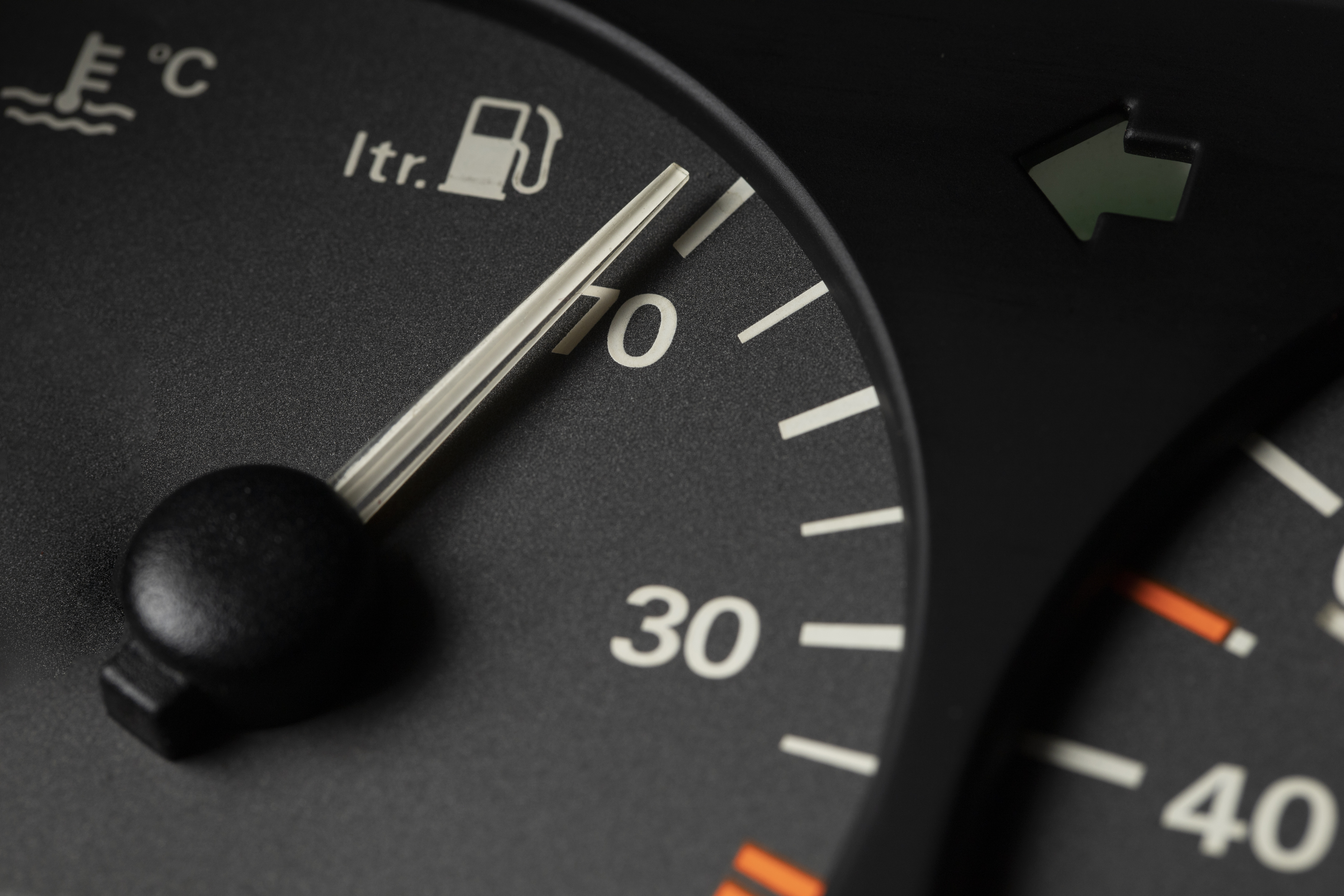
Colombia’s move to sell fuels by the litre rather than by the gallon is more than a relabelling exercise. It is a system upgrade to the International System of Units (SI) underpinned by metrological traceability and accredited conformity assessment. When measurements of mass, length, and density are traceable to national standards – and those standards in turn are linked to the SI – the quantity displayed at a dispenser corresponds to the same litre anywhere in the world. That is how markets enable comparability and how regulators deliver fair trade in practice.
Institutions Anchoring the Change
The transition depends on a strong quality infrastructure:
- The Instituto Nacional de Metrología (INM) provides Colombia’s scientific and industrial metrology, realizing and disseminating national measurement standards.
- The Superintendencia de Industria y Comercio (SIC) oversees legal metrology, setting and enforcing technical requirements for trade instruments, including fuel dispensers.
- The Organismo Nacional de Acreditación de Colombia (ONAC) evaluates the competence and impartiality of calibration and testing laboratories against ISO/IEC 17025, and of legal metrology verification bodies against national criteria.
Together, INM, SIC, and ONAC establish a chain of evidence from nozzle to SI that regulators, businesses, and consumers can trust.
Accredited Competence in Action
Accredited laboratories are the operational linchpin of the change. Calibration laboratories adjust prover tanks, volume measures, density meters, and temperature-compensation systems so that litres at the pump remain accurate under real-world conditions. Testing laboratories ensure quality control on fuels and components.
International frameworks such as OIML R 117 (dynamic measuring systems for liquids other than water) provide model characteristics and test methods while national technical regulations govern initial, periodic, and post-repair verification. Because accredited bodies are assessed for competence and impartiality, their results are reliable inputs for regulatory decisions and market transactions and, through international recognition, reduce the need for duplicative checks.
Efficiency in Everyday Practice
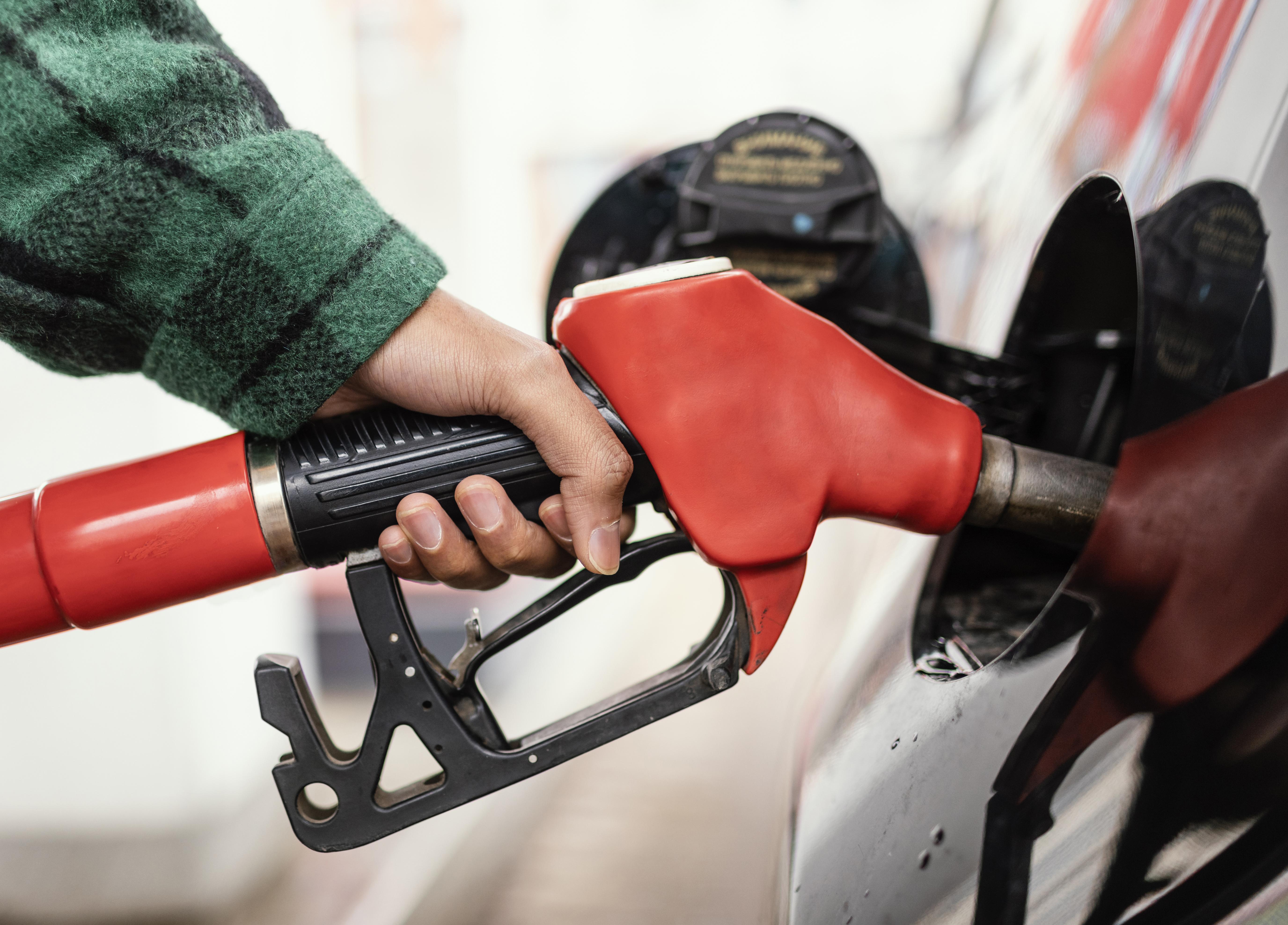
Switching to litres delivers practical efficiencies. A decimal-based unit eliminates constant conversions between gallons and litres, reducing errors in pricing, inventory reconciliation, invoicing, and tax reporting. It lowers integration costs because most equipment, software, and data systems in regional and global supply chains natively operate in SI units, improving interoperability from automated tank gauging to enterprise resource planning.
For authorities, common units simplify oversight: variance thresholds, sampling plans, and anomaly detection become easier and more transparent. For consumers, litres make prices easier to compare, strengthening transparency and supporting fair trade. For businesses, litres support planning, help reduce re-work, and enhance competitiveness – facilitating exports, reducing system customizations, and improving benchmarking against peers.
Competitiveness Through Trust
Ultimately, the gallon-to-litre transition is not just a technical switch – it is a trust-and-competitiveness project. Anchored in the SI, supported by INM’s scientific and industrial metrology, SIC’s legal controls, and accredited competence in calibration, testing, and verification, it transforms a unit change into lasting gains in efficiency, regulatory assurance, and public confidence.
Put simply: when the unit is universal and the assurance is accredited, every measurement carries farther – across forecourts, across borders, and across the economy.
References
- BIPM. The International System of Units (SI), 9th Edition. 2019. Available at: https://www.bipm.org/en/publications/si-brochure
- INM – Instituto Nacional de Metrología de Colombia. About INM / Role and mandate. Available at: https://inm.gov.co/
- SIC – Superintendencia de Industria y Comercio. Technical regulation for fuel dispensers (e.g., Resolución 77507 de 2016). Available at: https://www.sic.gov.co/
- OIML. R 117-1: Dynamic measuring systems for liquids other than water. 2019. Available at: https://www.oiml.org/
- ISO. ISO/IEC 17025 — General requirements for the competence of testing and calibration laboratories. Available at: https://www.iso.org/standard/66912.html
- ILAC. ILAC MRA—Benefits and mechanism. Available at: https://ilac.org/
Categories: IAF Members' news
 IAF Outlook