IAFCertSearch is gaining momentum and delivering significant value for various stakeholders. As IAF and its members continue to progress with digitisation, IAF CertSearch stands as a pivotal tool for the successful transformation of the accredited conformity assessment industry.

The market’s demand for information on organisations according to parameters that are not only financial has gradually intensified since the 1990s. Independent and accredited third-party evaluation according to ISO/IEC 17029 can help to overcome reported misalignments and to ensure reliability in ESG ratings in the voluntary sector.

2023 is the ISO 9001 Auditing Practices Group’s 20th anniversary. All of those who have been involved in the work of the APG can look back with pride at the global recognition and praise they have received by providing short, practical guidance to the auditing community.

The aerospace industry is renowned for its unwavering commitment to precision, safety, and quality. In a step towards fostering greater consistency and efficiency in certification processes, IAF and IAQG® have come together in a memorandum of understanding.
The term “certificate” is formed from two Latin roots: certum – true, and facere – to do, which in total means “to do right”. Certification was conceived and implemented as an extremely useful undertaking, the purpose of which is to guarantee that the consumer receives a high-quality service or product, without throwing money away in exchange for a fake one.

The ISO/CASCO working group revising ISO/IEC 17024 held a face-to-face meeting at the ISO Central Secretariat between 18 and 20 July 2023.

In the ever-evolving landscape of management systems auditing, a revolutionary stride is being taken with the ongoing development of the ISO/IEC 17012 standard. This essential document is set to provide comprehensive guidelines for the implementation of remote auditing methods in management system audits. As organizations adapt to changing circumstances, this standard aims to ensure that the integrity of management systems remains intact while embracing innovative approaches.

As the world strives to reduce carbon emissions and transition to clean energy sources, nuclear power has emerged as a viable option. However, ensuring the safety and quality of the nuclear supply chain is of utmost importance. To address this, a new type of accreditation has been developed by UKAS, which enables ISO/IEC 17021-1 accreditation for the certification of ISO 19443.

Covering core areas and certification themes vital to the success of modern business, BRCGS Global Standards contain prescriptive, clear and compelling information, giving the supply chain everything needed to drive up quality and achieve certification. Underpinned by robust compliance processes and accreditation oversight by IAF members, the rigorous grading system is designed to help companies deliver meaningful improvements over time.

Türkiye, like many other economies, has implemented policies to reduce its greenhouse gas emissions. To support these policies, monitoring, reporting and verification of emissions are essential.

One of the factors contributing to the rapid economic growth and industrial progress in any economy is the well-being of its workforce. An occupational health and safety management system is important for all workers, including those in the Philippines and the wider ASEAN Region.

Nations worldwide are responding to the urgent need to balance food security and ecological integrity. Uruguay, where livestock is woven into culture and commerce, stands as an inspiration of this transition. Anchored by a robust livestock production system, fortified by a pioneering 100% traceability mechanism and internationally acclaimed protocols, Uruguay charts a course towards sustainable advancement.

In an increasingly interconnected and globalized world, effective management of biological risk has become essential to safeguard public health, worker safety, and the environment. ISO 35001:2019 provides a comprehensive framework to address challenges associated with biological risks.

SADCA, together with its arrangement members Mauritas, SADCAS and SANAS, hosted its second virtual session in commemoration of World Accreditation Day via Zoom webinar.

Fostering vibrant and competitive food SMEs that contribute to high value-added and export-ready outputs is at the heart of a comprehensive capacity building initiative known as TRAQ (TRAde and Quality) that started in late 2022 and aims to enhance SMEs’ competitiveness in the fields of quality and export in six countries: Algeria, Egypt, Jordan, Lebanon, Morocco and Tunisia.

EA has gained a new member, published three reports, approved a memorandum of understanding for the European Quality Infrastructure, and released a video on accreditation’s role in the EU Emission Trading System.
The 2023 IAF/ILAC Joint Mid-term Meetings were held in Belfast, Northern Ireland, from 01-08 May. The meetings were conducted in a hybrid format, with 259 in-person and 225 virtual participants.

The 2023 AFRAC Mid-Term Meetings were held in Tunisia from 12-16 June. The meetings took place against the backdrop of the ILAC/IAF JWGC meeting, which was hosted at the same venue from 17-18 June.

The use of new technologies, including artificial intelligence (AI), is transforming the global trade landscape. While technical barriers to trade are being removed, consumer behavior is evolving, creating new challenges for businesses.

In many ways, accreditation is taken for granted. In the everyday life, most people don’t connect the quality of products and services with the fact that an international standard probably has laid the foundation of that certain quality. The Swedish national accreditation body – Swedac – has recently tried to change the public’s perception of accreditation through a social media campaign.
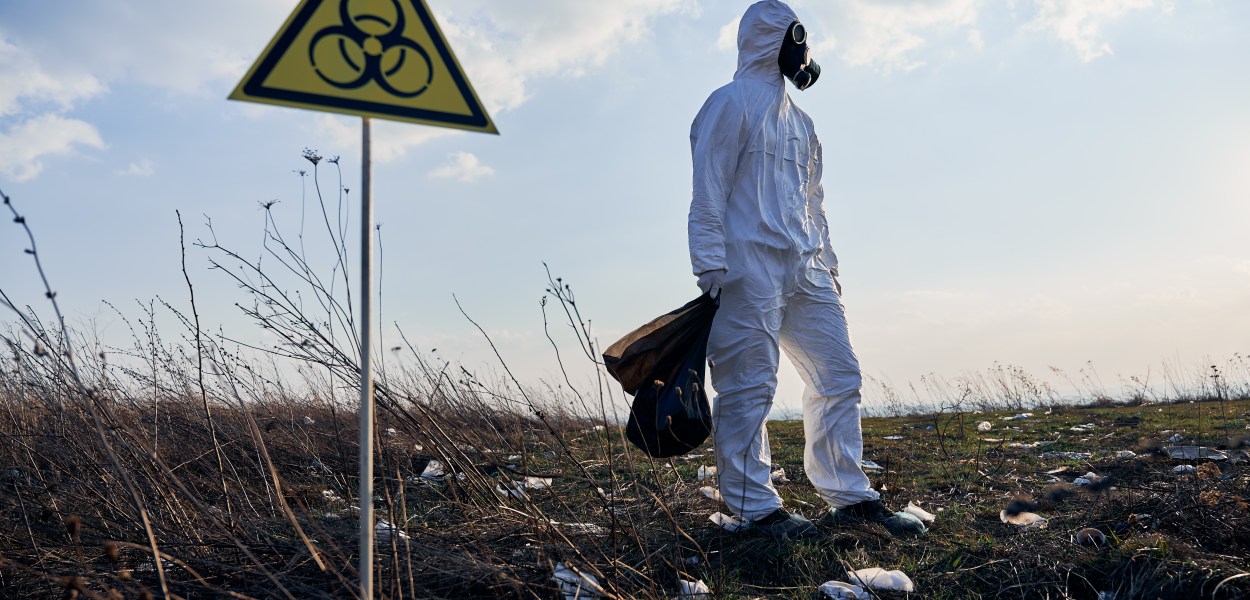
The emergence and growth of interest related to a new generation of nuclear reactors presents new opportunities for organisations to enter the nuclear supply chain that comprises multiple organisations delivering a wide range of items important to nuclear safety (ITNS). ISO 19443:2018 establishes a framework of requirements for a quality management system, that when effectively implemented, will provide confidence as to the consistency and integrity of ITNS.


